July 2026 marked my fifth anniversary of mixing narrative audio and fiction story-telling in Dolby Atmos. I wrote about my journey at the one year anniversary here.
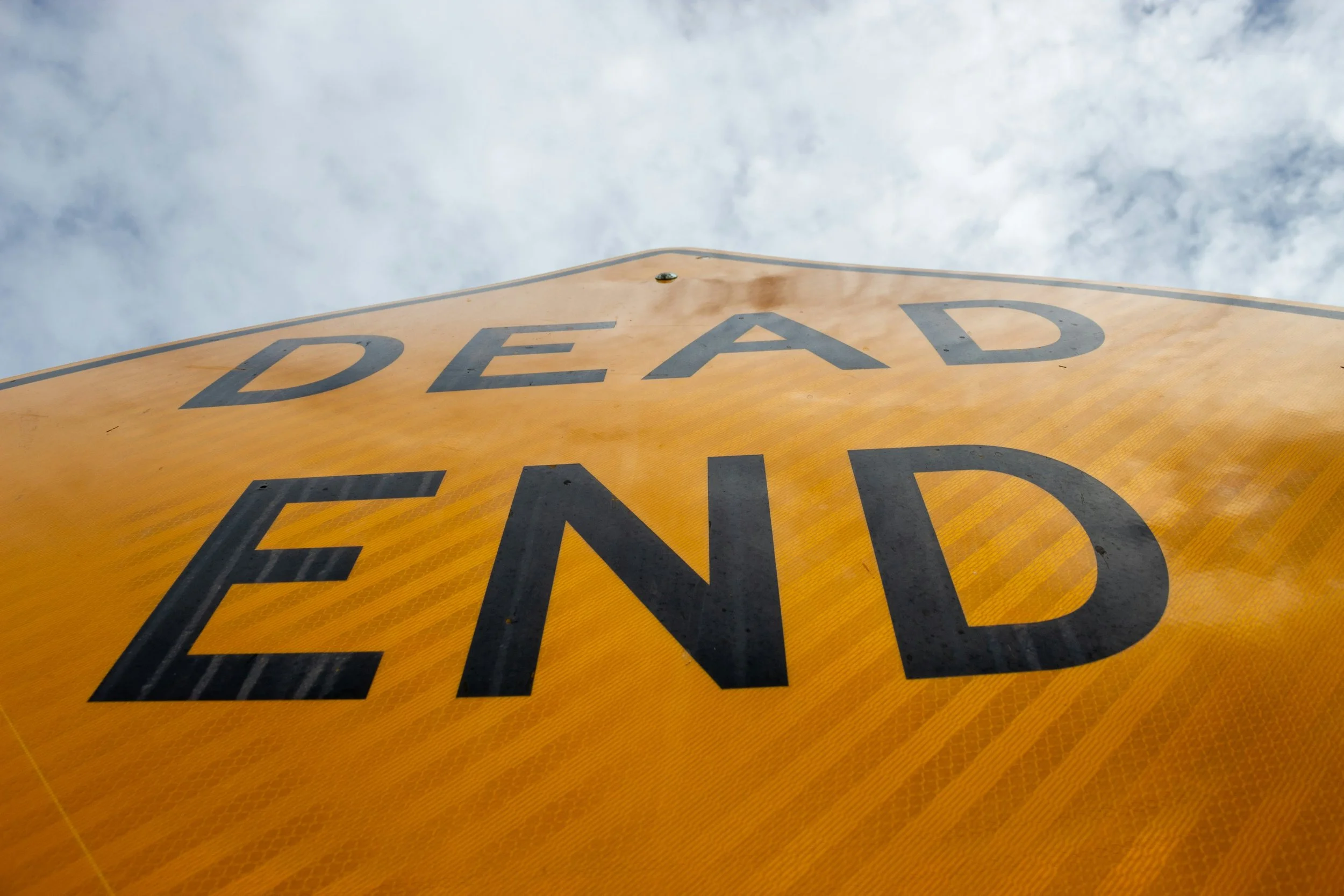
Image by Gabriel Soto from Unsplash
Looking back on that article now, it's clear I had a lot of enthusiasm and optimism about where Dolby Atmos mixed audio story-telling was headed. A lot.

Over the past five years I have mixed easily over 100 hours of narrative audio in Dolby Atmos. I’ve consulted for nearly two dozen productions and individual creators on how to use Atmos to enhance their own and their client's audio story-telling.
I was an advocate and a champion. But that ended some time ago and I'm only writing about it now.
I guess there was some remnant enthusiasm that needed to burn off before sharing my updated thoughts. But the headline of this article is my entire point if you want the TLDR.
CREATOR SIDE
In the past five years we have seen an explosion of creator side tools to make Dolby Atmos content. Numerous Digital Audio Workstations now feature the Dolby tools built right in ( Pro Tools, Logic etc..). A lot of immersive plug-ins have emerged that make moving from stereo production to Dolby Atmos production so much easier and sound way better. It is so much easier and affordable to set up a Dolby Atmos mix room now than it was 5 years ago when I started. Bravo - truly.
LISTENER SIDE
The past fives years has also seen an explosion in consumer devices that can properly decode Dolby Atmos media: phones, tablets, smart speakers, sound bars, laptops, televisions, streaming "receivers" and even high end automobiles.
There has literally NEVER been more Dolby Atmos content creation tools and more Dolby Atmos receiving devices in the market than there are today.
And despite that, we still have no road for independent Dolby Atmos mixed spoken word content to ride to get from a creator's studio to the listener’s device.
None.
ATMOS MUSIC
I can use my studio to mix an independent song in Dolby Atmos and post it on Apple Music, Tidal, Deezer and Amazon Music where listener devices can properly decode and output the mix as I intended.
ATMOS TV
I can mix TV shows in Dolby Atmos that will play out on Atmos enabled streaming services like Apple TV and Netflix.
ATMOS PODCAST?
But my spoken word Dolby Atmos content mixed in the same room, on the same gear is trapped. It has no road to travel on to get to a listener's system.
Five years in on this journey and no progress has been made on this front. Five years is enough time to know - It likely won't ever happen for independent spoken word audio.
HOW DID I GET HERE?
Apple shocked the music world when it embraced Dolby Atmos as “Spatial Audio” for Apple Music in 2021. Suddenly, the iPhone and AirPod Pros I already owned were Dolby Atmos capable after a free software update. Tidal and Deezer did too. Amazon Music eventually followed suit. Spotify did not, and likely won't, but it doesn’t matter.
Those are still several large popular platforms for Independent music makers. I could now publish Dolby Atmos music mixes to the Apple Music, Tidal, Amazon Music and Deezer platforms almost as easily as a normal stereo production and listeners with the right systems can hear those mixes properly.
There was an assumption that it was only a matter of time before Apple and other platforms would also adopt “Spatial Audio” into their podcast platforms. I know a lot of meetings were held. I was in a few of them. As early at 2022 I met with a few people on the Apple Podcast team, they were highly skeptical of the need for spatial audio for podcasts and confessed it wasn’t going to be on their roadmaps for at least a year.
I took this in stride at the time. Apple routinely denies working on a thing, only to suddenly announce it’s own version of a thing. I figured that’s what would happen with Spatial Audio Podcasts. After all, a lot of the early spoken word Atmos content I was mixing was for Wondery who built Spatial into it’s iOS subscription app. The tech works. It is possible.
But watching Apple’s treatment of it’s podcast platform since then, it’s clear it only brings updates and new features to it’s podcast app that offer it the chance to charge listeners or creators. Subscriptions are one example. More recently, the explosion in Video Podcasting had Apple create it’s own video podcast solution which it charges creators to use.
I don’t think there’s enough money to be made by Apple in bringing the Spatial Audio tech they use in Apple Music and Apple TV to Apple Podcasts. I don’t think any other platform is interested either.
That leaves Indie podcasters with no platform to publish their Dolby Atmos mixes where listeners can hear it properly. None.
Five years of Dolby promoting it’s tools at all the podcast conferences and events. Getting creators to use them, pitching platforms. I don’t expect the platforms will ever care. Unlike Music, there’s a comparatively minuscule amount of spoken-word content that could take advantage of Dolby Atmos mixes and the audience for it is simply too small and there’s no money to be made there.
LONE RANGER
The only Dolby Atmos enabled platforms that exist now for spoken word content are Audible and a few other international subscription based audio-book platforms. They are private platforms, not available to indie creators. They only support their own Dolby Atmos mixed content.
So that's that.
The past five years brought us an explosion of tools to create Dolby Atmos content, an explosion of listener side devices to hear it, but no roads connecting independent audio story-tellers content to listener’s devices.
For that reason - Dolby Atmos for indie-podcasters is a dead end.