July 2026 marked my fifth anniversary of mixing narrative audio and fiction story-telling in Dolby Atmos. I wrote about my journey at the one year anniversary here.
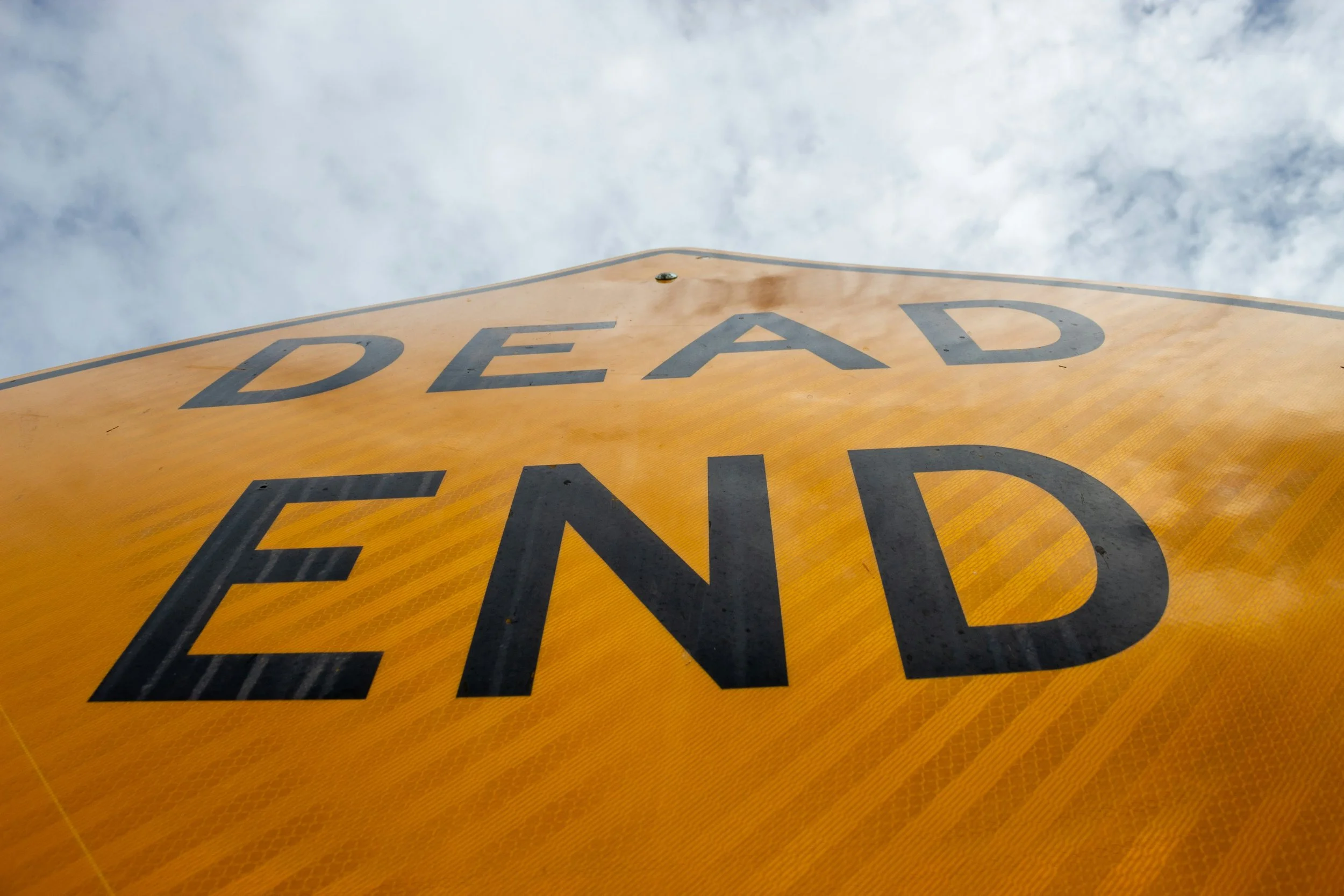
Image by Gabriel Soto from Unsplash
Looking back on that article now, it's clear I had a lot of enthusiasm and optimism about where Dolby Atmos mixed audio story-telling was headed. A lot. Over the past five years I have consulted for nearly two dozen productions and individual creators on how to use Atmos to enhance their own and their client's audio story-telling. I was an advocate and a champion. But that ended some time ago and I'm only writing about it now. I guess there was some remnant enthusiasm that needed to burn off before sharing my updated thoughts. But the headline is my entire point if you want the TLDR.
In the past five years we have seen an explosion of creator side tools to make Dolby Atmos content. Numerous Digital Audio Workstations now feature the Dolby tools built right in ( Pro Tools, Logic etc..). A lot of immersive plug-ins have emerged that make moving from stereo production to Dolby Atmos production so much easier and sound way better. It is so much easier and affordable to set up a Dolby Atmos mix room now than it was 5 years ago when I started. Bravo - truly.
On the listener side we've also seen an explosion in consumer devices that can properly decode Dolby Atmos media: phones, tablets, smart speakers, sound bars, laptops, televisions, streaming "receivers" and even high end automobiles.
There has literally NEVER been more Dolby Atmos content creation tools and more Dolby Atmos receiving devices in the market than there are today.
And despite that, we still have no road for independent Dolby Atmos mixed spoken word content to ride to get from a creator's studio to the listeners device.
None.
I can use my studio to mix an independent song in Dolby Atmos and post it on Apple Music, Tidal, Deezer and Amazon Music where listener devices can properly decode and output the mix as I intended.
I can mix TV shows in Dolby Atmos that will play out on Atmos enabled streaming services like Apple TV and Netflix.
But my spoken word Dolby Atmos content mixed in the same room, on the same gear is trapped. It has no road to travel on to get to a listener's system.
Five years in and no progress has been made on this front. Five years is enough time to know. It likely won't ever happen for independent spoken word audio.
A bit of history.
Apple shocked the music world when it embraced Dolby Atmos as “Spatial Audio” for Music in 2021. Suddenly, the iPhone and AirPod Pros I already owned were Dolby Atmos capable after a free software update. Tidal and Deezer did too. Amazon Music eventually followed suit. Spotify did not, and likely won't, but it doesn’t matter.
Those are still several large popular platforms for Independent music makers. They can publish their Dolby Atmos music mixes to the Apple Music, Tidal, Amazon Music and Deezer platforms almost as easily as a normal stereo production and listeners with the right systems can hear those mixes properly.
Indie podcasters and spoken word artists have no similar platform to publish their Dolby Atmos mixes where listeners can hear it properly. None.
And yet, I still see Dolby showing up at all the podcast conferences and events promoting their tools to podcasters. I don’t expect the platforms will ever care. Unlike Music, there’s a comparatively minuscule amount of spoken-word content that would take advantage of delivering and supporting Dolby Atmos mixing that listeners will even notice. The audience is simply too small.
But five years ago, the buzz was Atmos music was first, Atmo podcasts could be next. Could be. That didn’t pan out.
The only Dolby Atmos enabled platforms that exist now are Audible and a few other subscription based audio-book publishers and platforms.
But those are private platforms. They only support their own Dolby Atmos mixed content. Neither I or any independent creators can publish our Dolby Atmos mixed audio works on Audible.
So that's that.
Five years brought us an explosion of tools to create Dolby Atmos content, an explosion of listener side devices to hear it, but no road connecting independent audio story-tellers and listeners.
For that reason - Dolby Atmos for indie-podcasters and story-tellers is a dead end.